On Knowing Where You Are
Encounters with a stranded sea turtle, a caffeinated plant, and other virtues in nature
IN the pantheon of trees and shrubs, you could do worse than Yaupon Holly, even allowing for the problem with its scientific name: Ilex vomitoria.
An evergreen, this plant is verdant and leafy when so much of the world is gray or brown or frozen stiff. Its fruits glow scarlet. And Yaupon Holly is essentially the only caffeinated plant native to the United States. Long before coffee joints became houses of worship, Indigenous people of what’s now the American Southeast drank Yaupon tea as a stimulant, medicine, and the beverage of choice during purification rituals. Because the ceremonies included willful vomiting, Europeans watching from the sidelines wrongly assumed Yaupon Holly was an emetic. So a Scottish botanist gave the plant the Latinized epithet vomitoria, a genuine and original misnomer.
By any name, Yaupon Holly had a role in my own purification ritual during a recent journey to the southeastern US. To escape the cold and take a break from the troubling news of the world, I drove the shortest route I know from Vermont to warmth: the coast of North Carolina near Cape Lookout National Seashore, where the tropical waters of the Gulf Stream graze the continent before flowing northeast out to sea. My plan was to walk the shoals and beaches, the scrublands and forests, so that I might regain some equilibrium.
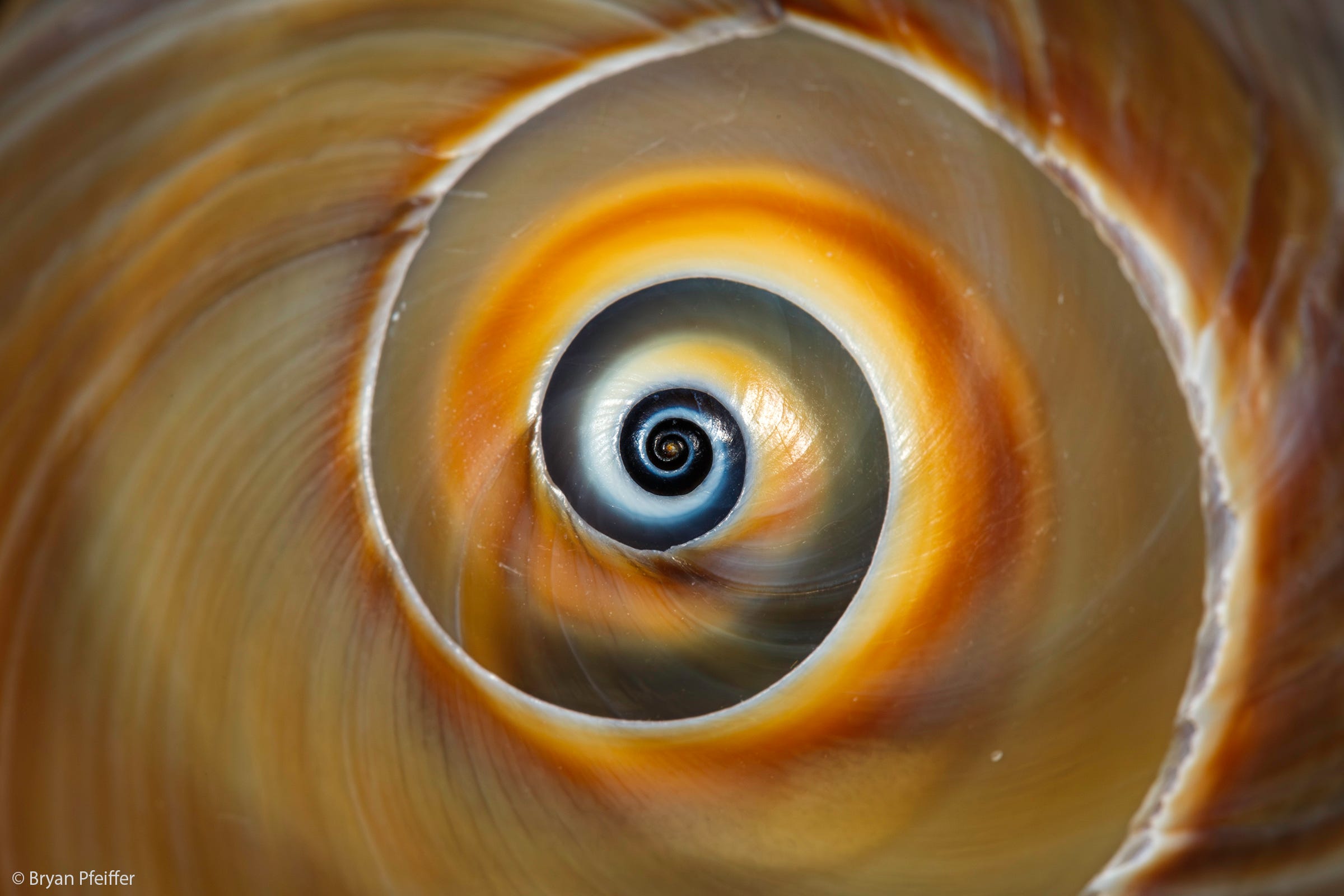
It began well enough. On my first day in unfrozen woods, a Ruby-crowned Kinglet flashed his crimson crest at me. Soon enough, a Sleepy Orange (Eurema nicippe) butterfly floated by in the sunshine. On a shoal I walked with beach-running sandpipers and collected a few seashells along the way, including a prize aptly named Angel Wing (Cyrtopleura costata).
During a day offshore, on the island known as Shackleford Banks, I came upon a beached and listless Green Sea Turtle (Chelonia mydas). A spate of chilly weather had probably sent it into the reptile version of hypothermia. Never before had I seen this turtle species, not its chestnut hues nor its dazzling mosaic facial pattern. And yet its predicament superseded my predilections for this trip. Rather than a return to the ocean, the turtle needed warmth and most likely a boat ride to the local sea turtle hospital.
To the rescue came a volunteer veterinarian who had been patrolling the island on a four-wheeler. She made a plan to transport the turtle to shore on the last boat off Shackleford, and then to the local rescue center. After thanking her, and bidding the turtle farewell, I walked onward along the beach.


At which point I realized that the equanimity I had been seeking remained elusive. For nearly a week I had turned off the maelstrom of news and tuned myself to the rhythm of tides. Still, I felt lost.
Then again, who hasn’t? It’s called living. And travel isn’t necessarily a remedy. When sad or scared or confused, I myself more often seek my refuge among the people I love, in music or art or literature, or by immersing myself in nature.
To be sure, on this trip I walked alone on barrier islands, watching Yellow-rumped Warblers and combing the beaches for shells and other distractions. I gawked at wild horses (they gawked back at me). I even came to the aid of a vulnerable sea turtle. All of it wonderful; but none of it truly redemptive. Rather than immersed in nature, I felt incidental to nature — a dot on a map. I knew my location, but lacked a sense of where I was.
And so I turned my attention to the prosaic — I began to look more intimately at plants. In wet forests I noticed a towering Swamp Chestnut Oak (Quercus michauxii), Dwarf Palmetto (Sabal minor), and Resurrection Fern (Pleopeltis michauxiana). I came to know the maritime scrublands as thickets of Eastern Redcedar (Juniperus virginiana), Southern Live Oak (Quercus virginiana), Southern Wax Myrtle (Morella cerifera), and tangles of greenbriar (Smilax spp.). But three plants in particular grounded me like no others:
In the Longleaf Pine savannah, I found Venus Flytrap (Dionaea muscipula). Although famous as a potted novelty, this carnivorous plant grows wild only in scattered sites within an hour or two’s drive from where I stood — and nowhere else in the world.
On islands just offshore, I encountered Seaside Bluestem (Schizachyrium littorale). Although by no means rare, this grass is the essential host plant (caterpillar food) to one of the rarest butterflies in the world: Crystal Skipper (Atrytonopsis quinteri), which lives along a 30-mile (50 km) stretch of the coastline where I stood — and nowhere else in the world.
And throughout this trip, I encountered the evergreen shrub misnamed Ilex vomitoria, Yaupon Holly. It is not a holly of my home state of Vermont. And I needed not drink or smoke or worship this southeastern plant. All I needed was to know its identity, its history, and its role in the culture. It grounded me where I stood — which was nowhere else in the world.


Birds and turtles and seashells — they bring meaning and definition and wonder to the Carolina coast. And yet they come and go with the storms and seasons and tides. They’re a bit like me.
Plants are rooted, literally and figuratively. They exist or do not owing to location, climate, bedrock, soil, fungi, microorganisms, and the brute forces of humanity: culture, economics, hubris. Plants are perhaps the most genuine expressions of history and place and community — a natural community. They grounded me as well.
At the dawn of a new year, like every year, I do not have proven cures for what ails the world — or any one of us. Nor do I aspire today to any resolution. Mine is basically the same every year: to love myself, to love the world, and to try to make it a better place.
Along the way, here at Chasing Nature, I pledge to bring you essays from our shared experiences among birds, butterflies, turtles, seashells, plants, and everything else that conspires to be a natural community — our community.
Thanks for being here. May you begin a year of peace, justice, and nature.
Postscripts
Plants don’t produce caffeine so that we can sit around in tea houses and coffee shops. The caffeine is there mostly as a natural pesticide against insect herbivory. Not many plants produce caffeine, with the hollies in the genus Ilex a notable exception. Although a few other Ilex species in the U.S. contain caffeine, none is believed to rival the caffeination of Yaupon Holly. Included among the world’s 300 or so Ilex species is Ilex paraguariensis, native to South America and better known as the traditional caffeinated beverage Yerba Mate.
This essay was conceived and written entirely by a human being (me) — and not AI. I borrowed the Ruby-crowned Kinglet image from Roland Tebbetts. All other images are my own and copyrighted.


Daily, at 81, I face/recognize the potential loss of lives I care about. One of my nearest neighbors, a 90 year old dear friend and mentor, is struggling with heart failure, a friend about my age is trying to heal from invasive yet life-saving surgery, and two others dear to me carry the constant threat of cancer now in remission. It's not just people threatened with their existence threatened. Many moth species are now absent from my porch light on warm nights and songbird diversity has declined. Life is hard and then we die. The lesson for all is the same. You said it. As a human, find your joy, peace, and hope where you can. Resist. Be compassionate. Do what you can to make life better for other lives. You help me have the strength do that with every essay and every memory your writing awakens. Thank you, Bryan.
Thank you - wise words and deep sharing. And knowledge I never had before - a bonus! I hope you find solace and comfort that we all seek in the outdoors today and all year.