

Seeing Red
The grace and brutality of a color — in nature and the culture

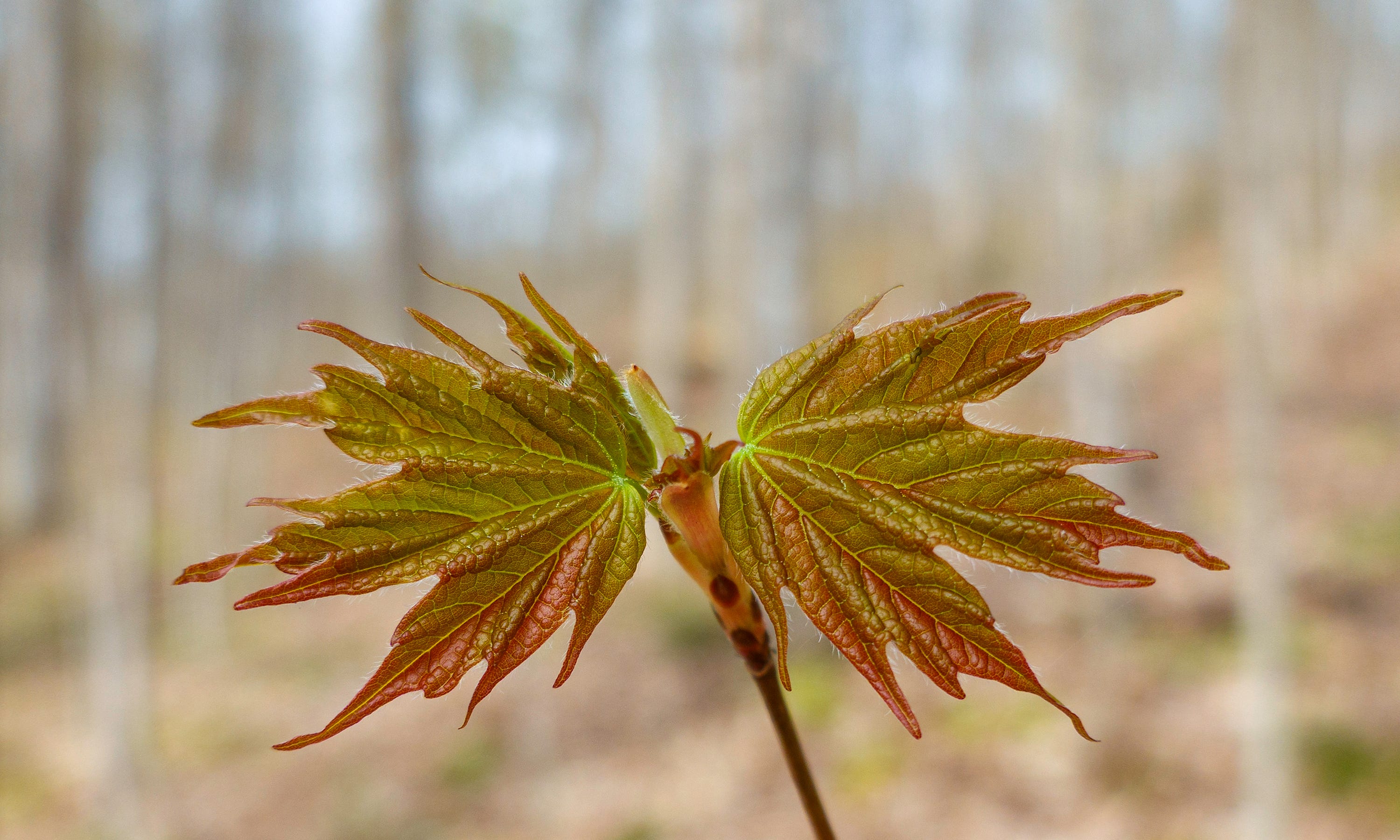
Yet again the conventional wisdom is wrong. Spring isn’t green; it’s countless shades of red. Carmine tints emerging leaves. Ruby dyes early flowers. And scarlet conveys songbird desire.
The green of spring comes soon enough. But if you seek beauty and drama in nature, even perspective on the best and worst of human nature, you’re seeing red.
Among the great apes known as humans, red is a primary color and a social construct. A red carpet bestows honor, the red pill a harsh reality. Red flags are warnings, The Scarlet Letter a mark of shame. Red is what evolution and we ourselves make of it — good, lousy, or otherwise.
Among other animals, red plays a leading role in springtime. Red is the fireworks from the crown of a kinglet seeking a mate, the warning glow of a young Eastern Newt, or the blaze on a moth called The Herald (so named because it flies at the start of a new season).


Where animals flash red to signal either desire or danger, plants use it for survival thanks to pigments known as anthocyanins. They bring blues, purples, and reds to fruits, stems, leaves, and flowers.
Anthocyanin pigments help plants withstand the chill of early spring; they deter wildlife from eating new and tender leaves; and they act as sunscreen against harsh UV light before chlorophyll production ramps up and turns the world light-loving green. But the springtime red in plants does something more for me.
Here in Vermont, our evergreen trees are, well, always green — stability in uncertain times. But red doesn’t run like that. Sure, I want the world to be the benevolent and peaceful red — the red of flowers and feathers and Valentines. But red is also the color of anger, bloodshed, and a certain president’s necktie. It reminds me that nature and culture are beautiful, ugly, complex, and impermanent — basically the story of life on Earth.
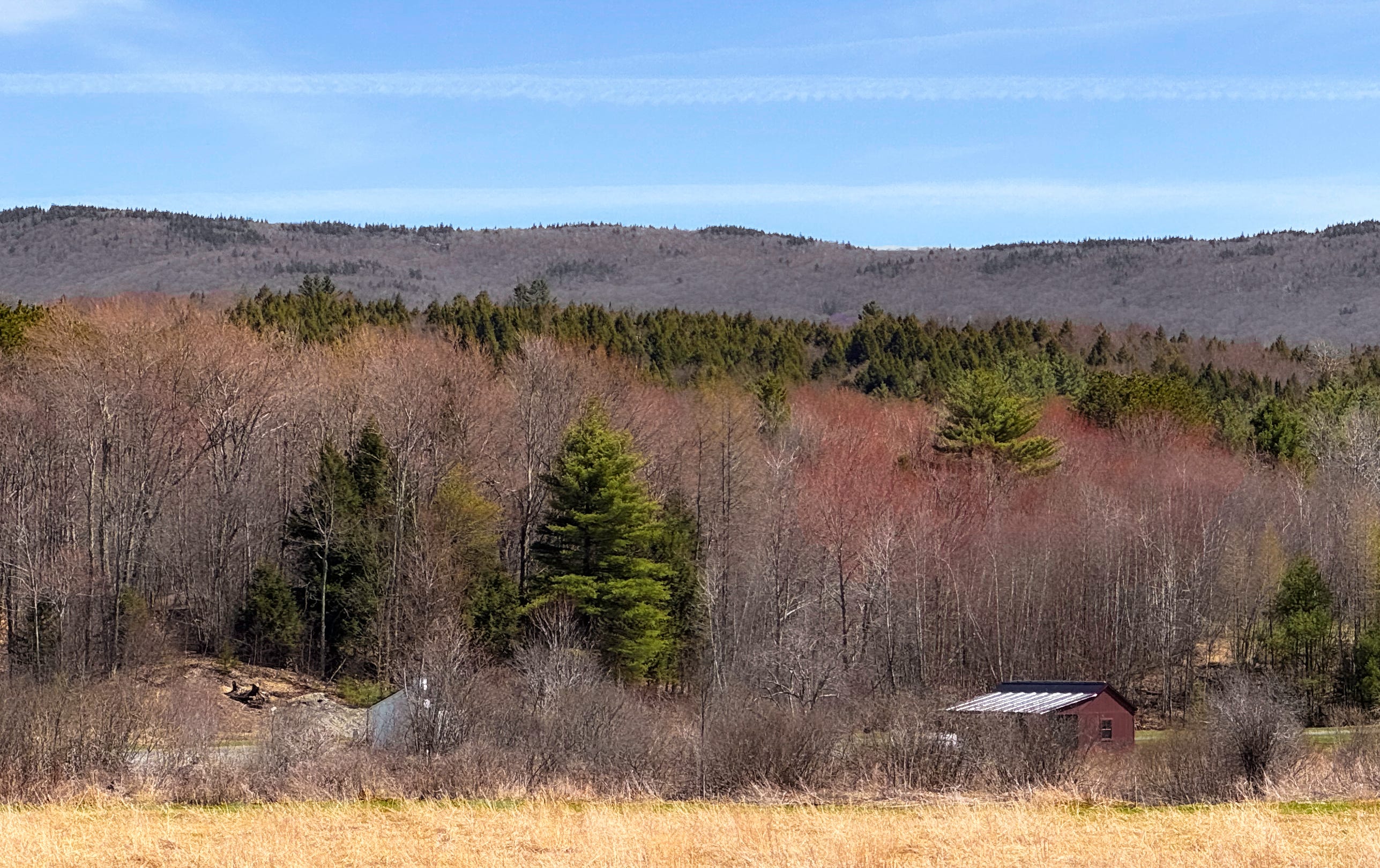
Even so, after every winter, no matter how long or cold, how brutal or difficult, there comes a moment when everything goes right. It happens for me in April, when our winter-gray hardwoods turn not to green but first to a subtle, lacy canvas of red — the flowering of Red Maples, one of eastern North America’s most abundant trees.
For me, those reds aren’t colors — they’re feelings. Anthocyanins aren’t pigments — they’re an experience. Whether I’m worthy or not, the red brings me joy. I fall in love with the world yet again. And to receive these rewards, I need not work or travel or plead my case. It’s springtime. All I need to do is look around.
Postscripts in Red and Other Displays


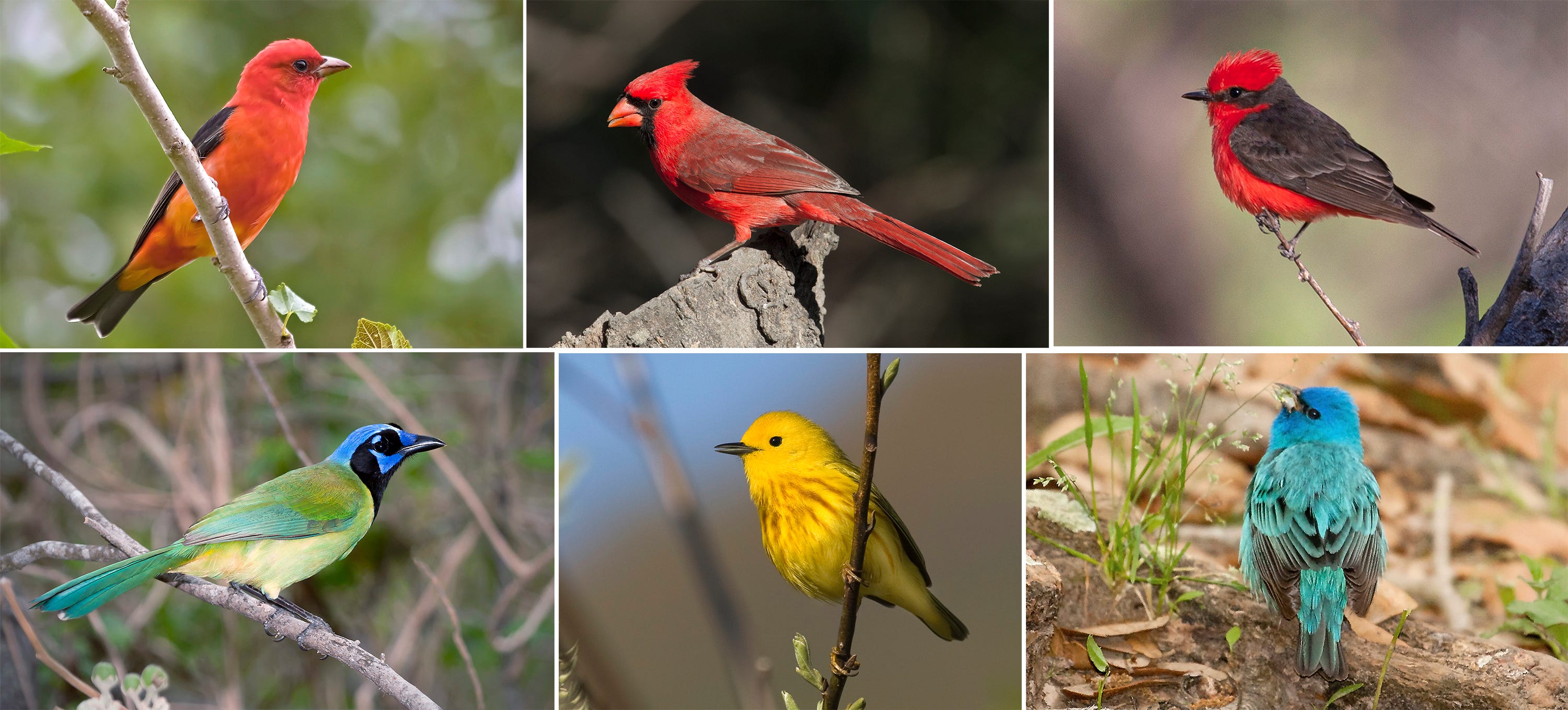
By the way, red doesn’t corner the market on drama. Green Jays, Yellow Warblers, and Indigo Buntings make as impactful statements as Scarlet Tanagers, Northern Cardinals, or Vermillion Flycatchers.
Finally for Paying Subscribers:
Sex and Identity Among Red Dragonflies

No matter how uncertain our lives, how troubled our politics, even how dire or existential the threats to humanity, at least one thing is reliable and wonderful across much of the world right now: the red dragonflies of summer.
The surprising flower of beaked hazelnut is the first sign of spring for me, next the blush of red maple flowers that wash over the hillsides. Finally the richness of unfurling leaves. I am glad to be alive (in spite of those other things). Thank you Bryan.
Bryan, what an absolutely wonderful ode to Spring, dressed in reds. There is nothing more stunning than rounding a corner of a trail—coming face to face with the first red trillium, below the sunshine yellow of a Forsythia in full bloom. The eye traveling higher to meet the lime green leaves of a Silver birch just beginning to unfurl. And towering above them all, the red blooms of the Silver Maple. Set against cerulean blue sky—the delightful rapture of Spring.“…those reds aren’t colors — they’re feelings.” Gosh we are lucky to live in VT.