

Don't Save the Pupfish
The desecration of morality and the Endangered Species Act

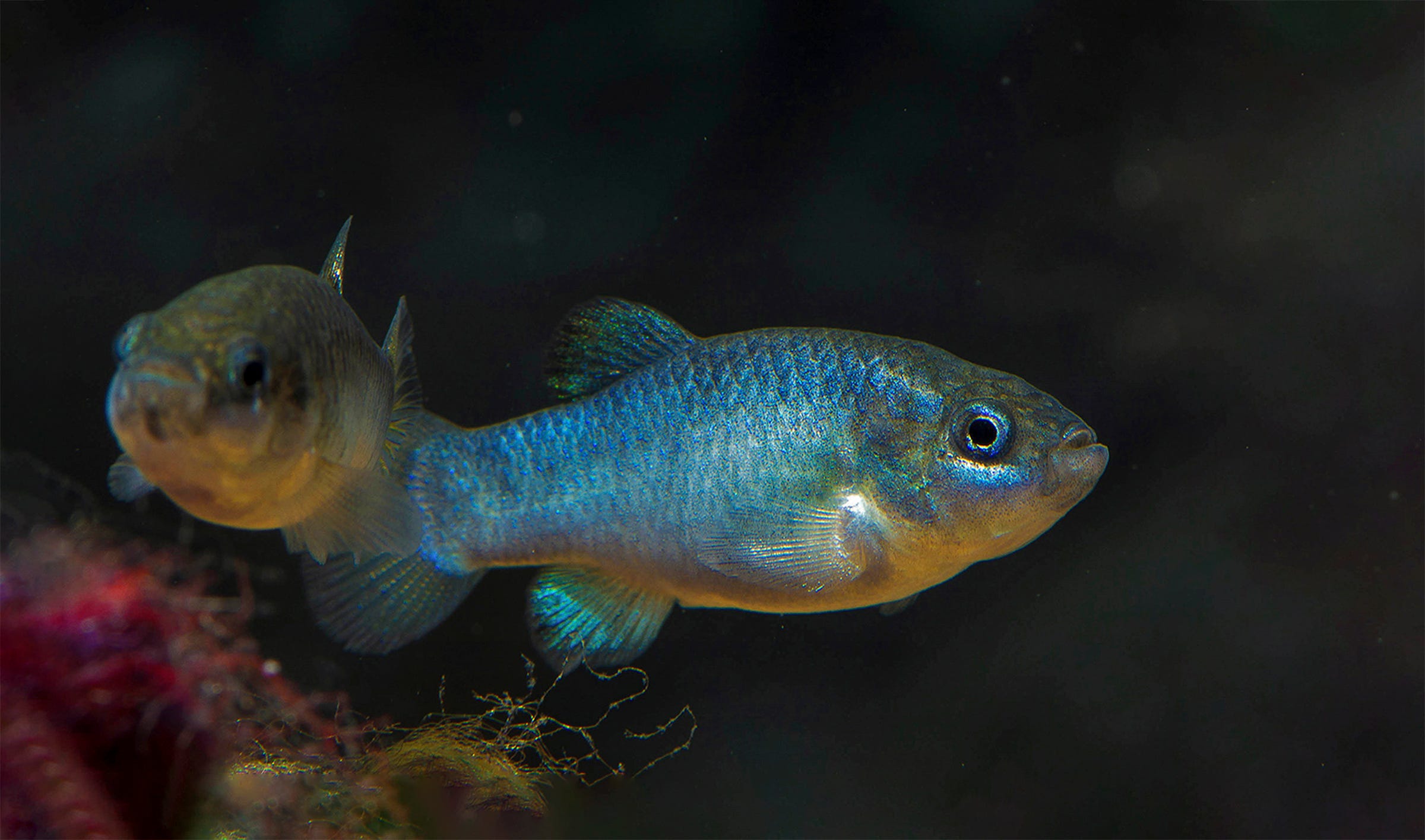
Maybe we should kill off the pupfish — the Devils Hole Pupfish, which is reputed to be the rarest fish on Earth.
It would be a quick extinction. We’d drain the only pool in the world where this endangered species survives: a bedrock cavern in the U.S. state of Nevada. And we’d live-stream the killing on YouTube.
Only then might oblivion no longer be an abstraction. The last wild Devils Hole Pupfish, an inch long, iridescent blue or green, flopping on hot desert limestone, would gasp … and then gasp no more. We’d witness something that happens all too often but that we never actually see: extinction.
And then we might realize the profound power we humans have, every day, to decide what lives, what dies, and which species might vanish forever. Now abusing that power is the government of the United States.
The Trump administration is slated in September to expand its assault on imperiled plants and animals by undermining the very law designed to protect them: the Endangered Species Act. But this latest threat to songbirds, butterflies, salamanders, and so many other species also represents something greater: an assault on what it means to be human.
To understand that, you need not know the policy or judicial details of the administration’s animosity toward the Endangered Species Act (I’ll link below to an excellent summary). Instead, first recognize that in the grand scheme of things, extinction isn’t really that unusual.
Without any help on our part, the universe itself is perfectly capable of wiping out life on Earth. Five mass extinctions happened here before we came along to make a mess of things. And even as humans have taken over, we ourselves are one nuclear mistake, one pandemic, one rogue AI away from extinction, or at the very least mass suffering.
Extinction happens, except that it is ours alone to contemplate. Our knowledge is our burden. The Endangered Species Act is a manifestation of that, a confession that we routinely put the life around us at risk. It recognizes our outsized footprint and asks us to tread more lightly, to do better. More than a gesture to the natural world, the act is a test of our morality.
And now comes an immoral act. The Trump administration has made it easier to degrade or destroy the places where threatened and endangered species live. Its newly contrived reading of “harm” means only a direct assault on wildlife, and not its habitat. By this reasoning, it would be acceptable to wipe out a forest, for example, as long as its imperiled animals aren’t cut by chainsaws or buried alive by bulldozers. This of course is absurd. It’s like saying that you yourself would not suffer if your home were bulldozed while you were out back cutting the lawn.
Extinction is rarely as simple or vivid as my thought experiment about the Devils Hole Pupfish (Cyprinodon diabolis). It is instead death by a thousand clearcuts, smokestacks, feedlots, shopping malls, or drained wetlands.
Humans are not gods, but we certainly play them Earth. Our bombs strike down defenseless people. We have the power to alter the climate and overheat a planet. And we decide whether plants, animals, fungi, and other species will live or die. The Endangered Species Act is an imperfect check on those powers. An act of self-awareness, it recognizes that our domain is not over nature but within it.
The farmer, poet, and philosopher Wendell Berry once wrote: “There are no unsacred places; there are only sacred places and desecrated places.”
Desecration is not always as obvious as bombs or bigotry or live-streaming the extinction of a pupfish. It masquerades as policy or prosperity or jurisprudence. To desecrate the home of an endangered songbird is to desecrate the songbird; to destroy the habitat of an orchid is to destroy the orchid.
We need not be gods to show restraint. We have laws for that. We protect the pupfish and other species because they exist and because we can. And like the gods, we have the capacity for morality and decency — not only toward one another but toward all that we imperil in Earth’s sacred places.
Postscripts
The U.S. now seems to run less by governance than lawsuit. The Trump administration’s new rule on the Endangered Species Act, slated to take effect on September 14, 2026, has been challenged in court. A summary of where things stand comes from Patrick Parenteau, emeritus professor of law at Vermont Law & Graduate School.
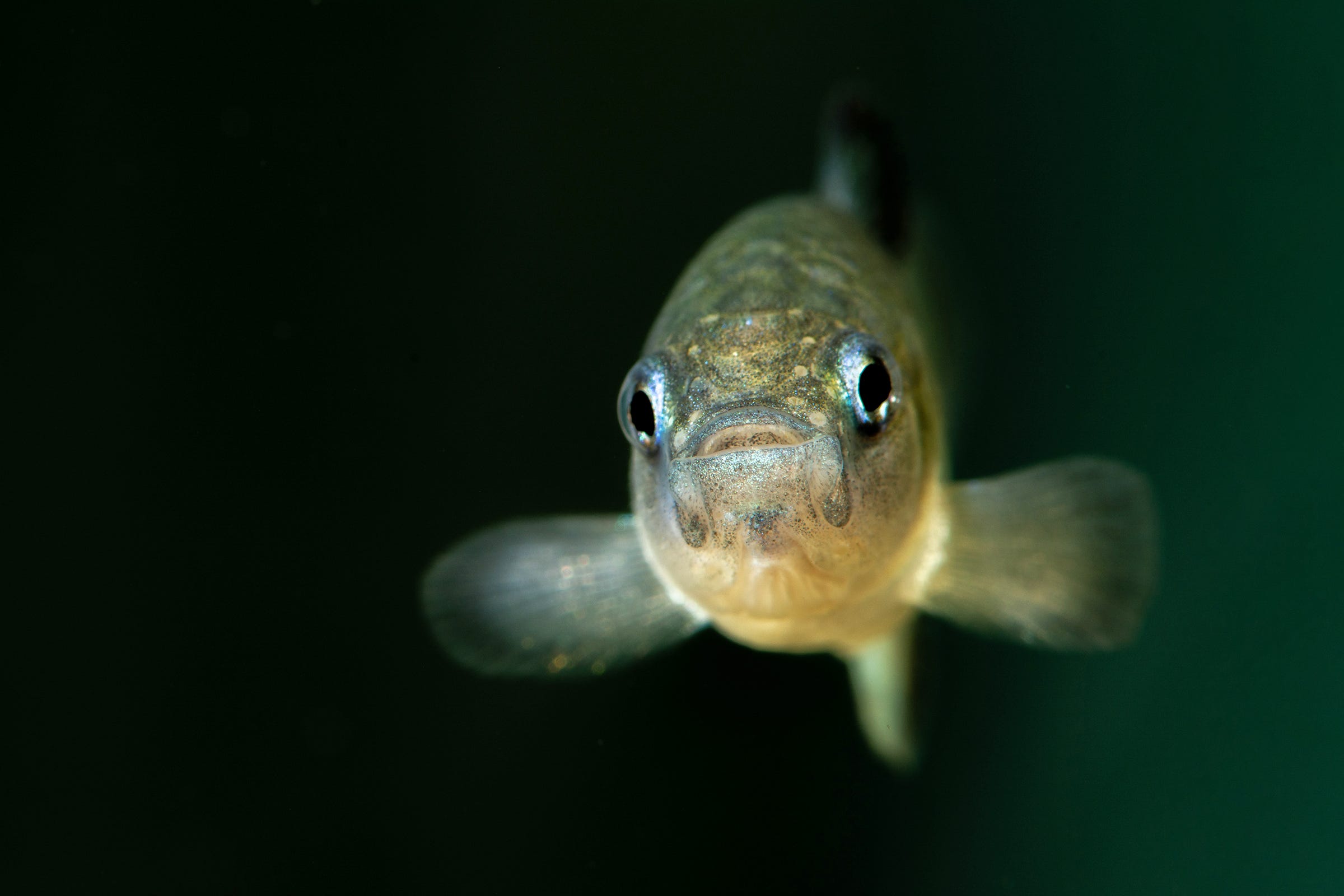
By a recent count, only 77 Devils Hole Pupfish remain in a single limestone cavern on federal land in Nevada’s Mojave Desert. The wild population took a hit during earthquakes in 2024 and 2025. And even though Devils Hole is at least 450 feet deep, the pupfish feed and breed almost entirely on a shallow 215-square-foot rock shelf near the surface. Destroy the shelf, and you could destroy the pupfish. As a safeguard, other pupfish are maintained in captivity. Of course, my pupfish proposal is rhetorical.
The Wendell Berry line comes from his poem, “How to Be a Poet.”
Finally, the administration played god when it convened the so-called “God Squad” in March to lift protections afforded to the endangered Rice’s Whale. I wrote about it:
The Extinction of Integrity
·
A whale defies intuition. It is vast yet ethereal, slow yet powerful, eerie yet enchanting. A whale is a sublime dream come true.

Bryan - You’ve cut to the heart of the issue. Beautiful. Powerful. Concise.
Bravo Bryan. Elections have consequences. There’s another one right around the corner. Perhaps it’s time to bring these issues into the voting booth. Polls show overwhelming support for protecting endangered species and their habitat, which is our habitat as well. But passive support is not enough. Politicians need to know that there is a political price to be paid for turning a blind eye to what this rogue administration is doing to our natural heritage. For more information on what you can do visit the Endangered Species Coalition website https://www.endangered.org/