

THE Chasing Nature podcast returns with birdsong and a recitation of my short essay (below) titled “Sunlight and Warfare.” But this episode mostly comes by way of writer and birder Nathaniel Bowler, who interviewed me for his podcast Ten Birding Questions, a feature of Nate’s Substack Birding with BillBow.
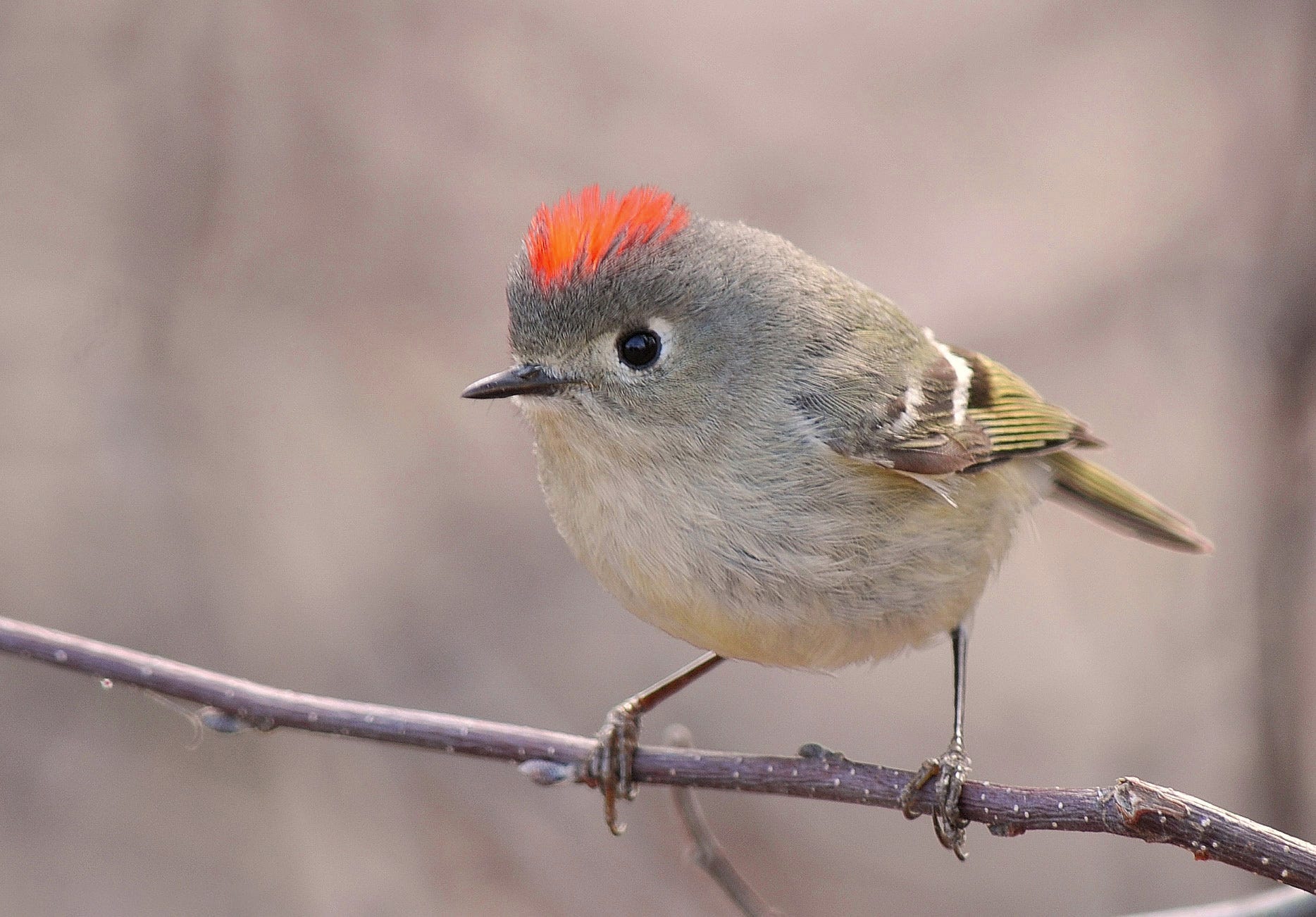
Nate and I wander in conversation to cover, among other topics, my birding origin story, birds in decline, why I write, the virtues of Vermont, field guides and gadgets, birdwatching’s carbon problem, why I’m a reluctant participant in holiday bird counts, and the fireworks of a Ruby-crowned Kinglet.
A version of my short essay is below. If you click and listen to the episode, you’ll not only hear me read it, but also get bonus birdsong and my lively conversation with Nate, who’s terrific.

Sunlight and Warfare
By Bryan Pfeiffer
IN the new light of March, a chorus rises. Black-capped Chickadee, Tufted Titmouse, Common Raven, White-breasted Nuthatch, Northern Cardinal, and lots of other birds sing out at the end of a severe winter: plenty cold, but also now a time of war.
For most of us, the dawn chorus conveys renewal and hope on these lengthening days. Still, the bombs fall. The drones hunt. Children die. And I wonder whether my enjoying nature here in Vermont is somehow a disservice to pain in the world.
Another writer immersed safely in nature at a time of war was Nan Shepherd (1893–1981). A poet, novelist, naturalist, and mountain woman of the Scottish Highlands, Shepherd wrote a classic, The Living Mountain. You’ve probably never heard of it, even as the book belongs in the pantheon with with the likes of Henry David Thoreau’s Walden, Rachel Carson’s The Sea Around Us, and Robin Wall Kimmerer’s Braiding Sweetgrass.
The Living Mountain chronicles Shepherd’s time during World War II exploring the Cairngorm Mountains of northeast Scotland. Unforgiving, dangerous, and beautiful, the Cairngorms are, as Robert Mcfarlane put it, “Britain’s Arctic.” From those mountains and plateaus, Shepherd writes with intimacy, honesty, and awareness like no other western nature writer of her day, except perhaps Carson, who at the same time, while exploring the barrier islands of North Carolina, was herself beginning to write about nature. (Best I can tell, the two never met.)
In her chapter titled “Air and Light,” Shepherd writes of the ephemeral state of both. Sure, there’s promise in early spring. But cold rain, thick fog, and dirty snow can still make the mountain harsh and unwelcoming, “a monstrous place,” as she put it. And then Shepherd writes:
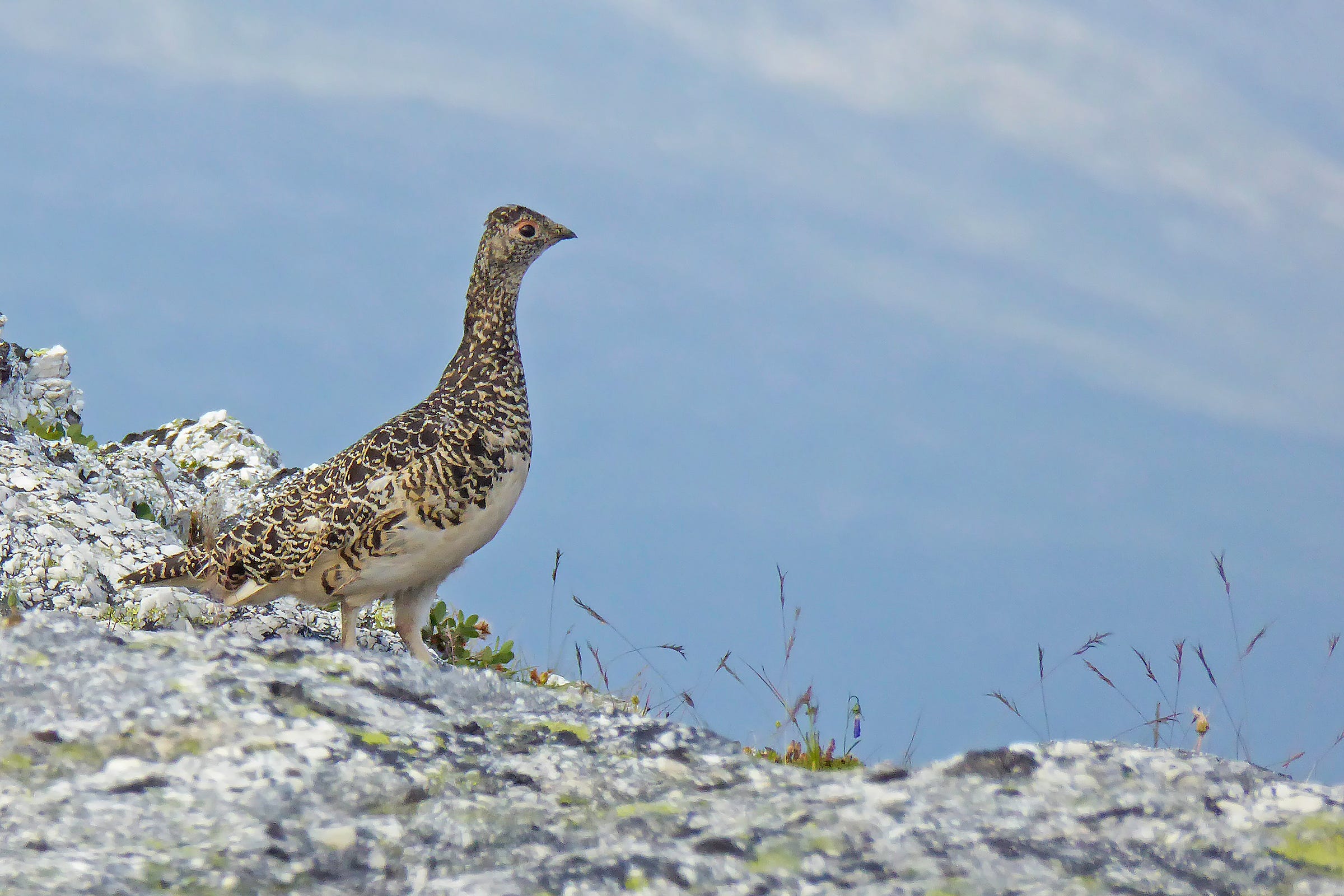
But even in this scene of grey desolation, if the sun comes out and the wind rises, the eye may suddenly perceive a miracle of beauty. For on the ground the down of a ptarmigan’s breast feather has caught the sun. Light blows through it, so transparent the fugitive spindrift feather has become. It blows away and vanishes.
The light is coming and the bombs are falling. I have no moral clarity about it, other than to grieve, to write, to act. And yet any one of us is little more than a feather in the wind. Nothing is permanent. So spend your time well in the light.